← 2026 Calendar
Aug 31 – Sep 4
Legal Fees
YouTube
Instagram
Newsletter
Mon, Aug 31
Title
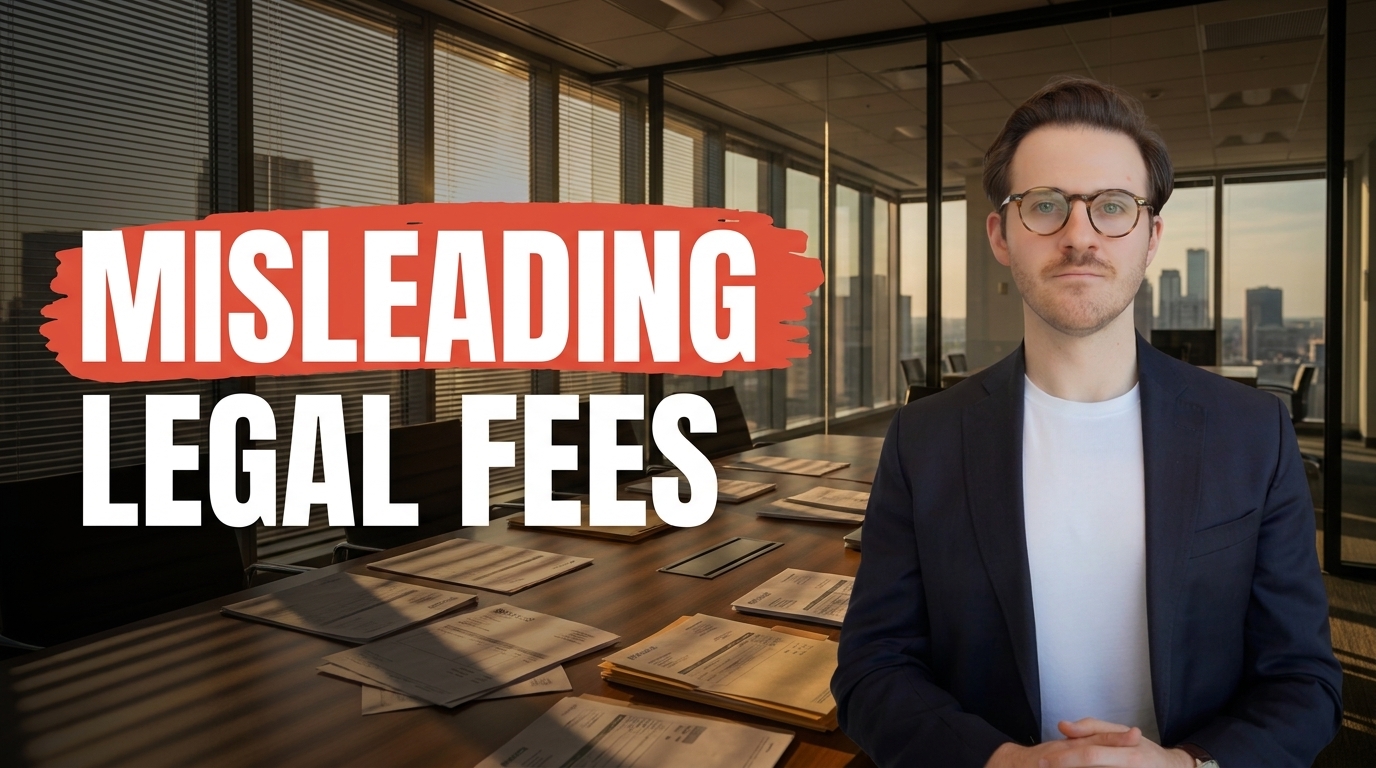
Thumbnail
✦ Regenerate
Replace
⬇ Download
Remove
Script
[HOOK] Real estate legal fees are notoriously confusing. There's no standard structure. There's no standard for how different firms quote. And there are a lot of situations where a seemingly cheaper quote ends up costing you more. So if you're buying or selling in Ontario right now, and you're trying to figure out which lawyer to go with, this video is for you. By the end you’ll fully understand how legal fees work, you'll know exactly what to ask before you hire anyone, and you'll be able to compare two quotes properly. [INTRO] My name is Zachary Soccio-Marandola. I'm a lawyer here in Toronto. And I help people like you close real estate deals every single day. If you enjoy this type of content, make sure you subscribe and join our community. And if you have a closing coming up, we've built the most transparent legal fee calculator online — it gives you a full breakdown of every dollar you'll spend and even calculates closing costs like land transfer tax and title insurance. That's linked in the description below. [CORE] The two parts of every quote Now, let's start with the thing that causes most of the confusion. When you’re looking to close a real estate transaction, there’s two components that you’re paying for. The legal fee, and disbursements. The legal fee is what you're paying your lawyer. That's the fee for representing you, protecting your interests, reviewing your documents, doing the legal work, and getting you to closing. Disbursements are different. Disbursements are the out of pocket costs your lawyer pays to third parties on your behalf during the transaction. So one of those numbers is the lawyer's compensation. The other is money moving through the lawyer's office on its way to somebody else. Now a couple of things to understand before we dive further into disbursements. In residential real estate, the legal fee will almost always be a flat rate. Hourly rates are virtually never used in Ontario. And that's because most residential deals are predictable enough to price upfront, and you need to know your closing costs in advance to budget for your purchase. And don’t forget. HST applies to legal fees. What disbursements actually are Now let’s talk about disbursements, because this is where it gets interesting. And they’re what catches many people off guard. I’m going to list the most common disbursements that apply to residential transactions. Some of them apply to the purchase end, others to the sale end. Title search. Before you buy a property, your lawyer is searching the title. We’re looking at the instrument registered against it, checking the adjoining lands, and confirming the sellers actually own what they're selling and can transfer it to you clean. That search costs money to run. Execution searches, sometimes called writ searches. Lawyer’s are checking whether there are judgments or unpaid debts registered against any of the parties to your deal. We’re doing that with the title search, and then again on closing day. The Law Society transaction levy. Every real estate lawyer in Ontario pays a levy to the Law Society on virtually ever sale transaction we handle. The software transaction charge. Most real estate files in this province runs on closing software. It's what manages the documents, the due diligence, and the registration. There's usually a per file cost for it. Banking fees. Bank drafts, wire transfers, payouts to your lender. The more payouts your file needs, the higher this goes. Tax certificates. That's confirming the property taxes are current so we can make the rught adjustments on closing. The cost depends on the municipality And then couriers and admin. Moving physical documents, printing, file storage. Small individually. But add up for a firm. Two ways firms quote So now you know what disbursements are. Here's why it matters. There are two ways a firm can quote you. The first is legal fee plus disbursements. You get quoted a legal fee, and then every one of those disbursements gets added on top at closing. So that number you receive as a quote can be misleading. The second is all inclusive. The legal fee and the disbursements are built into one number. That's how we do it. Now, here's the problem with the first model. With a fee plus disbursements, nobody knows the final number until the file actually closes. Not you, and not the lawyer. And that's because the disbursements depend on what the file ends up needing. How many payouts. Which municipality. So you find out your real number on closing day. In practice, that gap runs anywhere from three hundred dollars to a thousand dollars on top of the fee you were quoted. That's not a rounding error. That's the entire difference between two quotes that looked identical when you were choosing. So when you're comparing quotes, It's so important to understand whether disbursements are included in that or not. How this plays out Now, I can give you a real world story of this. A while back we quoted a purchase for a friend of a former client. They got another quote a few hundred dollars lower and they went with the other firm. I met them a few months later socially, and the first thing they mentioned was how disappointed they were when they went to close, and their bill ended up being higher than what we quoted. Nobody did anything wrong here. The other firm quoted a legal fee plus disbursements. Our quote was all-inclusive. The two quotes were just never comparable in the first place, and they didn’t fully understand that. That’s why making this video is important. Purchases and sales Now, one more thing to understand, and it depends on which side of the deal you're on. If you're selling, at least with us, we can give a fully all -nclusive number. Legal fee and disbursements, one number, done. This is exactly what you’re paying. If you're buying, it works a little differently. You can still get an all inclusive legal fee that includes thos disbursements. But there are other costs on a purchase, that can be categorized as taxes and insurance. So you have 3 things: Land Transfer Tax, paid to the province. And if you're buying in Toronto, also paid to the municipality. Title insurance, paid to the insurer. And registration fees, paid to the province every time a document gets registered on title. So on a purchase, your pay the all-inclusive legal fee (this includes all “office disbursements” plus those three I just noted. We are however able to estimate them with very high accuracy from the very start based on the purchase price. Usually within a few dollars. Which means at the end of the day, buying or selling, our clients always know exactly what it’s going to cost them before they hire us. Wrap That's exactly why we built our fee calculator. You put in your purchase price, and it gives you the full breakdown. Our all inclusive fee, plus an accurate estimate of your Land Transfer Tax and title insurance based on that price. So you know your number from day one instead of finding out on closing day. It's linked in the description below. All right. I know this can be confusing, and it's confusing because there's no standard, not because you're missing something. So the next time you're holding two quotes, don't just compare the fees. Ask one question. Is this all inclusive, or is it a legal fee plus disbursements? Then ask what isn't included. That's how you compare properly. OUTRO If you're enjoying these behind the scenes, real estate law videos, make sure you subscribe to the channel — I post a new video every week. And if you're a Realtor, I also send a weekly update about different legal situations that come up in our closings. That's our Realtor Newsletter and you can subscribe to it with the link down in the description. Thanks for watching.
Description
🌐 Website: https://www.socciomarandola.com/ 📱 Legal Fee Calculator: https://www.socciomarandola.com/legal-fee-calculator 🚀 REALTOR® Newsletter: https://www.socciomarandola.com/newsletter Real estate legal fees in Ontario aren't standardized — and that makes comparing quotes harder than it should be. In this video, Ontario real estate lawyer Zachary Soccio-Marandola breaks down exactly how legal fees are structured, what disbursements are and why they catch buyers and sellers off guard, and how to tell whether two quotes are actually comparable. Whether you're buying or selling, this is what you need to know before you hire a lawyer. The key distinction most people miss: some firms quote a flat legal fee and add disbursements on top at closing, while others give you a single all-inclusive number upfront. That gap can run anywhere from $300 to $1,000 — and if you don't know which model you're looking at, you can't compare quotes properly. This video gives you the framework to ask the right questions and know your full closing cost from day one. Video Chapters 00:00 Introduction 01:55 The Two Parts of Every Quote 03:10 What Disbursements Actually Are 04:55 How Firms Quote Differently 05:50 A Real-World Example 06:40 Purchases vs. Sales 08:05 Summary *This video is for general informational purposes only and does not constitute legal advice. Watching this video does not create a lawyer–client relationship. Real estate laws and procedures can vary depending on the facts of each case and the jurisdiction. Always consult with a qualified real estate lawyer in your area before relying on or acting upon any of the information discussed in this video.*
✦
Chat about this week