← 2026 Calendar
Jun 22–26
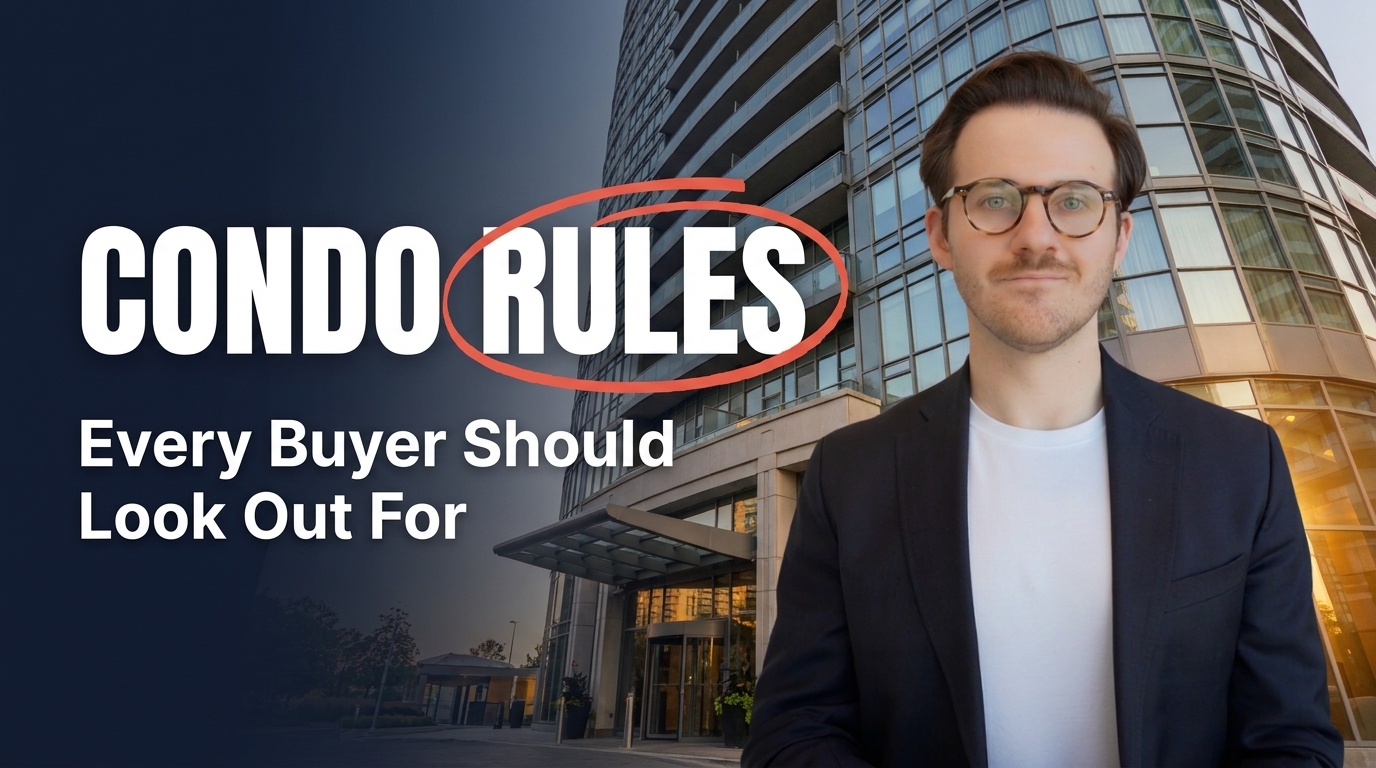
Condo Rules
YouTube
Instagram
Newsletter
Mon, Jun 22
Title
Thumbnail
✦ Regenerate
Replace
⬇ Download
Remove
Script
**HOOK** One of the most overlooked parts of buying a condo is making sure the building's rules actually fit your lifestyle. And condos have broad authority over what goes on inside them — more than most buyers realize. As a real estate lawyer, I'm reviewing status certificates every single week. And one of the most important conversations I have with my clients is about the rules — specifically, what they need to be looking out for. If you're buying a condo in Ontario, these are the four rules that come up most often and actually affect how you live. Here's what to watch for. **INTRO** My name is Zachary Soccio-Marandola. I'm a lawyer here in Toronto. And I help people like you close real estate deals every single day. If you enjoy this type of content, make sure you subscribe and join our community. And if you have a closing coming up, we've built the most transparent legal fee calculator online — it gives you a full breakdown of every dollar you'll spend and even calculates closing costs like land transfer tax and title insurance. That's linked in the description below. **Where Condo Rules Come From** Before we get into the four rules, let me give you a little bit of context. When you buy a condo in Ontario, you're not just buying a unit. You're buying into a corporation. The condo corporation is governed by a board of directors, and that board has authority under the Condominium Act to create and enforce rules that apply to everyone in the building. Now, those rules are often separate from the declaration and the by-laws — but they carry real weight. And they can cover a wide range of things: how you use your unit, what you can do on your balcony, whether you can have pets, whether you can rent your unit out short-term. The rules document is typically included in the status certificate package. So when I'm reviewing a status certificate with a client, this is one of the things I'm calling to their attention. And here's the key point: these rules are not inherently good or bad. A rule that's a dealbreaker for one buyer is a selling point for another. The question is whether the rules match your lifestyle. That's what we're going to walk through. **Pets** Rule number one — pets. This is one of the most common concerns I hear from buyers. And the reality is that pet rules vary significantly from building to building. Some condos are very pet-friendly. Others have restrictions that can catch buyers off guard. I've seen rules that cap the weight of dogs — one building I reviewed recently had a sixty-pound limit. Others restrict certain breeds entirely. Some buildings limit the number of pets per unit. Some buildings do restrict dogs entirely. Now, most buildings do allow pets of some sort — but almost all of them have language around nuisance. So even if your pet is permitted, if it's causing issues for other residents, the corporation has the authority to require that the animal be removed from the building. So if you have a pet, or you're planning on getting one, you need to read this section carefully before you buy. Don't assume. **Smoking and Cannabis** Rule number two — smoking and cannabis. This one has evolved a lot over the past several years. And some buildings have gone very far with their restrictions. I've reviewed rules documents that ban smoking entirely — tobacco, marijuana, vaping — not just in common areas, but inside the unit itself and on the balcony. Full prohibition. Now, some of those buildings have what's called a grandfather clause. When the rule was introduced, existing residents who notified the corporation within a set timeframe were permitted to continue smoking. But as a new buyer, you don't get that exemption. You're buying in under the current rule. Cannabis is often addressed separately. I've seen buildings that explicitly ban both smoking and growing cannabis anywhere on the property. So if smoking is part of your lifestyle — or if it's something you absolutely don't want around you — this is a section that matters. **Short-Term Rentals** Rule number three — short-term rentals. This one comes up constantly, especially in downtown Toronto buildings. And the answer in most condos is Airbnb-style rentals are not permitted. I've seen rules that explicitly name Airbnb and VRBO and prohibit their use. Others use broader language — no transient use, no hotel-style occupancy. Some set a minimum lease term, like six months, which effectively shuts out any short-term rental model. Now, this matters in two directions. If you're buying a condo and you're planning to rent it out short-term — you need to confirm the building permits that before you buy. Because if the rules prohibit it, you're stuck. And if you're buying to live there, a building that bans short-term rentals can actually be a positive. It means your neighbours are more likely to be long-term residents, not a rotating door of guests. So again — not good or bad. Depends entirely on what you're looking for. **Balconies and BBQs** Rule number four — balconies and BBQs. This one surprises people more than almost anything else. And the variation between buildings is significant. Some condos ban all cooking on balconies entirely. No BBQ of any kind. Others permit BBQs but may restrict the fuel source — gas or electric only, no propane, no charcoal. Beyond BBQs, balcony rules can also address what you're allowed to store out there, what furniture is permitted, whether you can hang anything visible from outside the building. Boards care about the consistent exterior appearance of the building — so what you put on your balcony isn't always entirely your call. If outdoor living is important to you, this is a section worth reading closely. **SUMMARY** Every condo has its own rulebook, and it's your job as a buyer to know what's in it before you close — that's why a status certificate condition matters. But the rules exist for a reason — they're about how the building operates and how people live together in a shared space. The question is whether they work for you. And the best time to find out is before you buy, not after. **OUTRO** If you're enjoying these behind the scenes, real estate law videos, make sure you subscribe to the channel — I post a new video every week. And if you're a Realtor, I also send a weekly update about different legal situations that come up in our closings. That's our Realtor Newsletter and you can subscribe to it with the link down in the description. Thanks for watching.
Description
🌐 Website: https://www.socciomarandola.com/ 📱 Legal Fee Calculator: https://www.socciomarandola.com/legal-fee-calculator 🚀 REALTOR® Newsletter: https://www.socciomarandola.com/newsletter If you're buying a condo in Ontario, you're not just buying a unit — you're buying into a corporation with its own rulebook. That rulebook can govern everything from whether you're allowed a pet to whether you can run an Airbnb, fire up a BBQ on your balcony, or smoke inside your own unit. In this video, Toronto real estate lawyer Zachary Soccio-Marandola breaks down the four condo rules that come up most often with his clients during status certificate review — and why every buyer needs to understand them before closing. These rules aren't inherently good or bad. A smoking ban is a dealbreaker for one buyer and a selling point for another. A short-term rental restriction is a problem if you planned to list on Airbnb — and a positive if you want stable, long-term neighbours. The point is to know what you're buying into. This video walks you through the categories that matter most, with real examples from actual condo rules documents. Video Chapters 00:00 Introduction 00:51 Where Condo Rules Come From 01:40 Pets 02:27 Smoking and Cannabis 03:12 Short-Term Rentals 04:02 Balconies and BBQs 04:45 Summary *This video is for general informational purposes only and does not constitute legal advice. Watching this video does not create a lawyer–client relationship. Real estate laws and procedures can vary depending on the facts of each case and the jurisdiction. Always consult with a qualified real estate lawyer in your area before relying on or acting upon any of the information discussed in this video.*
✦
Chat about this week