← 2026 Calendar
Jun 15–19
Condo Fees
YouTube
Instagram
Newsletter
Mon, Jun 15
Title
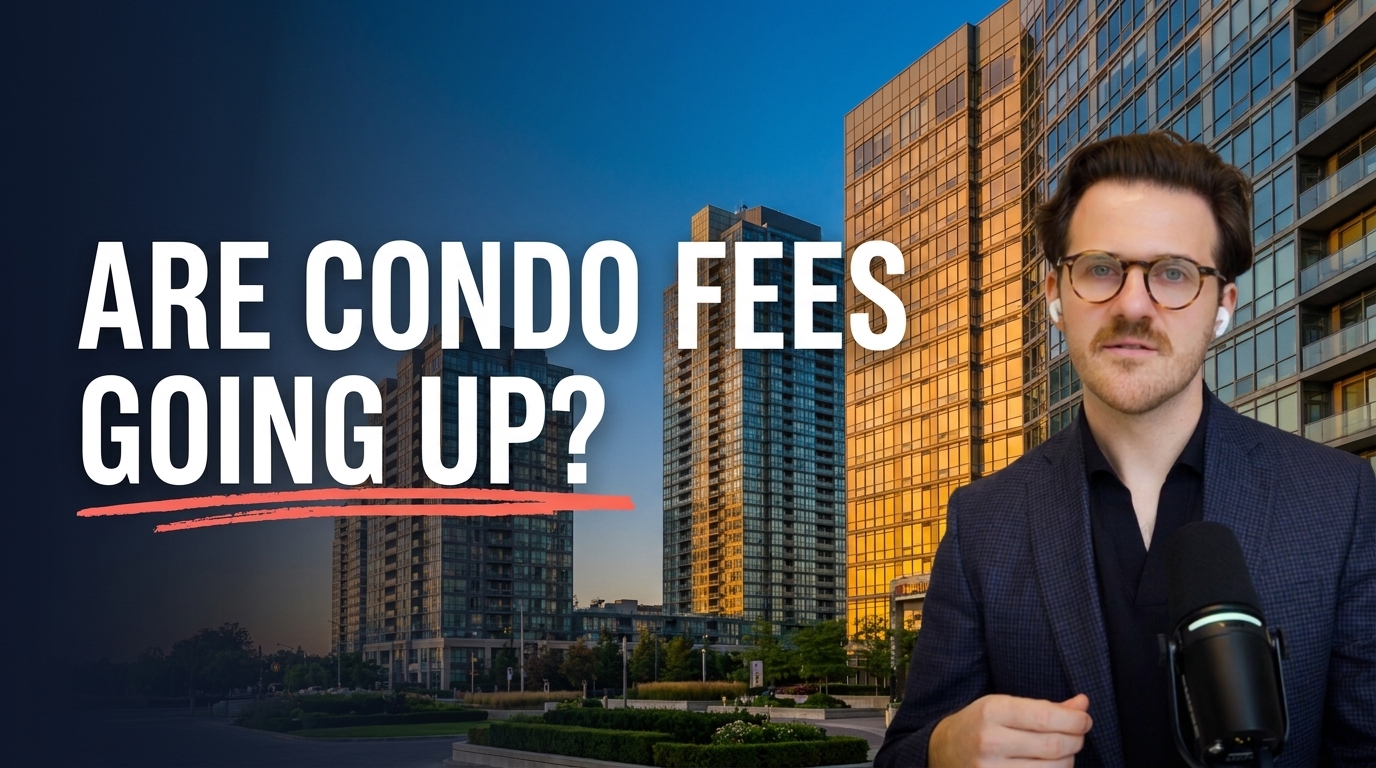
Thumbnail
✦ Regenerate
Replace
⬇ Download
Remove
Script
**HOOK** Condo fees are the number one thing buyers fixate on when considering a purchase. But the monthly number on the listing is only part of the story — understanding what's inside that number, and what drives it up over time, is what actually leads to the right buying decision. I started my career as a real estate broker and now practice as a real estate lawyer. I've been on both sides of condo transactions, and in our practice today I review status certificates on condo deals every single week. If you're buying a condo or already own one, understanding how condo fees actually work is a must-know. I'm going to break it all down for you in this video. **INTRO** My name is Zachary Soccio-Marandola. I'm a lawyer here in Toronto. And I help people like you close real estate deals every single day. If you enjoy this type of content, make sure you subscribe and join our community. And if you have a closing coming up, we've built the most transparent legal fee calculator online — it gives you a full breakdown of every dollar you'll spend and even calculates closing costs like land transfer tax and title insurance. That's linked in the description below. **What a Condo Fee Is** So let's start at the beginning. When you buy a condo, you're not just buying your unit. You're buying into a corporation — a condominium corporation — that owns and manages the shared parts of the building. The lobby, the elevators, the roof, the parking garage, the gym, the hallways. All of it. Your condo fee is your monthly contribution to that corporation. It's how the building pays its bills and plans for the future. Now, most buyers look at that number and think of it as one thing. One cost. One line item. But within that fee, there are actually two very different buckets bundled into that single monthly payment. And once you understand that, everything else about condo fees starts to make sense. **The Two Buckets** The first bucket is the operating fund. This covers the day-to-day costs of running the building. Think of it like the monthly expenses of the corporation. Utilities — electricity, gas, water. Building insurance. Property management fees. Concierge staff and security. Cleaning and maintenance. Landscaping. Snow removal. Everything it takes to keep the building running on any given day. The second bucket is the reserve fund. This one is different. The reserve fund is a savings account — money set aside specifically for major repairs and replacements down the road. The roof. The elevators. The windows. The parking garage structure. These are capital expenses that every building will eventually face, and the reserve fund is how the corporation prepares for them. So every month when you pay your condo fee, part of it is paying the building's current bills, and part of it is being saved for future repairs. Two buckets, one number. **What Drives Increases** Now here's where it gets interesting — and this is the part most buyers never hear explained. Those two buckets don't increase for the same reasons. They move differently. And understanding why is what separates an informed condo buyer from one who gets caught off guard. The operating fund goes up with the cost of running the building. That usually means inflation. Labour costs — concierge staff, maintenance workers, property managers. Utility prices. Insurance premiums. When the cost of those things goes up, the operating portion of your fee goes up with it. It's relatively predictable, and it tends to track with general economic conditions. The reserve fund is a different story. Reserve fund contributions are driven by something called a reserve fund study. Under Ontario's Condominium Act, every condominium corporation is required to conduct a reserve fund study at least every three years. An engineer prepares a report that assesses the physical state of the building, estimates the cost and timing of every major repair and replacement on the horizon, and produces a plan for how much the corporation needs to be setting aside each year to fund those repairs when they come due. And this is where building age becomes a factor. Older buildings have more components approaching the end of their useful life. Elevators that need replacing. Parking structures that need waterproofing. Roofs that are overdue. The reserve fund study captures all of that, and the contribution schedule it produces reflects it. Now layer on the fact that construction costs across Ontario have risen significantly over the last several years. That means the price tag on every major repair has gone up. And reserve fund studies have had to account for that. Reserve fund contributions across Ontario were up 11.5% in 2025 — the third consecutive year of double-digit increases on that specific bucket. Now remember, that doesn't mean your whole condo fee is going up by 11.5%. It means the portion of your condo fee that goes to the reserve fund contribution is increasing by that amount — and this depends on the condo. But I've commonly seen that to be 30, 40, 50% of the condo fee — all depending on the size, type, and amenities offered by the condo. **Special Assessments** Now let's talk quickly about special assessments — because this is one of those scary terms for most buyers. A special assessment happens when the reserve fund doesn't have enough money to cover a major repair or unexpected expense. Instead of waiting for contributions to accumulate, the corporation levies a one-time charge against every unit owner to make up the shortfall. Special assessments can range from a few hundred dollars to tens of thousands of dollars per unit, depending on the size of the project and the number of units in the building. And they can happen with relatively short notice. The most common cause is an underfunded reserve fund. This happens when a building has been keeping condo fees artificially low for years, or not adhering to the recommendations of the reserve fund studies. When a major repair becomes unavoidable, the money isn't there, and every owner pays the difference. So the cheap condo fee that looked attractive on a listing can end up being far more expensive in practice. **SUMMARY** Let's pull it all together from a buyer's perspective. When you're purchasing a condo, you have the right to review a status certificate before firming up your offer. And I always recommend including this in your offer. The status certificate is a package of documents produced by the condominium corporation that gives you a snapshot of the financial and legal health of the building. So when I'm reviewing a status certificate, I'm looking at the reserve fund study to understand the contribution schedule. Is the condo following the reserve fund study recommendations, or is there a shortfall that needs to be addressed? None of this tells you the exact number your fee will be in five years. But it gives you an informed read on the trajectory — and that's exactly what you want before you commit to a purchase. The goal isn't to avoid condos with higher fees. Some of the best-run buildings in Toronto have higher fees because they're properly funded — and that condo fee may be including things like utilities. The goal is to understand what you're buying into, and that means understanding the context. So the number on the listing is never the whole story. **OUTRO** If you're enjoying these behind the scenes, real estate law videos, make sure you subscribe to the channel — I post a new video every week. And if you're a Realtor, I also send a weekly update about different legal situations that come up in our closings. That's our Realtor Newsletter and you can subscribe to it with the link down in the description. Thanks for watching.
Description
🌐 Website: https://www.socciomarandola.com/ 📱 Legal Fee Calculator: https://www.socciomarandola.com/legal-fee-calculator 🚀 REALTOR® Newsletter: https://www.socciomarandola.com/newsletter Condo fees are one of the first things buyers look at — but most people don't understand what that monthly number actually covers. In this video, Toronto real estate lawyer Zachary Soccio-Marandola breaks down exactly what your condo fee pays for, how it's structured, and what drives it up over time. Whether you're a first-time buyer, a seasoned condo owner, or just considering a purchase, understanding how condo fees work is essential before you commit. From the two-bucket breakdown of operating costs and reserve fund contributions, to what a reserve fund study actually tells you, to how special assessments happen and why — this video gives you the full picture in plain English. Zach reviews status certificates on condo deals every week and brings that legal perspective to help you understand not just what your fee is today, but where it's likely heading. Video Chapters 00:00 Introduction 02:05 What a Condo Fee Is 04:10 The Two Buckets 07:20 What Drives Increases 11:45 Special Assessments 14:30 Summary *This video is for general informational purposes only and does not constitute legal advice. Watching this video does not create a lawyer–client relationship. Real estate laws and procedures can vary depending on the facts of each case and the jurisdiction. Always consult with a qualified real estate lawyer in your area before relying on or acting upon any of the information discussed in this video.*
✦
Chat about this week